A recent WorkSafe New Zealand prosecution following a fatal tree-felling incident near Dannevirke has highlighted the importance of effective safety systems for employees working alone or remotely.
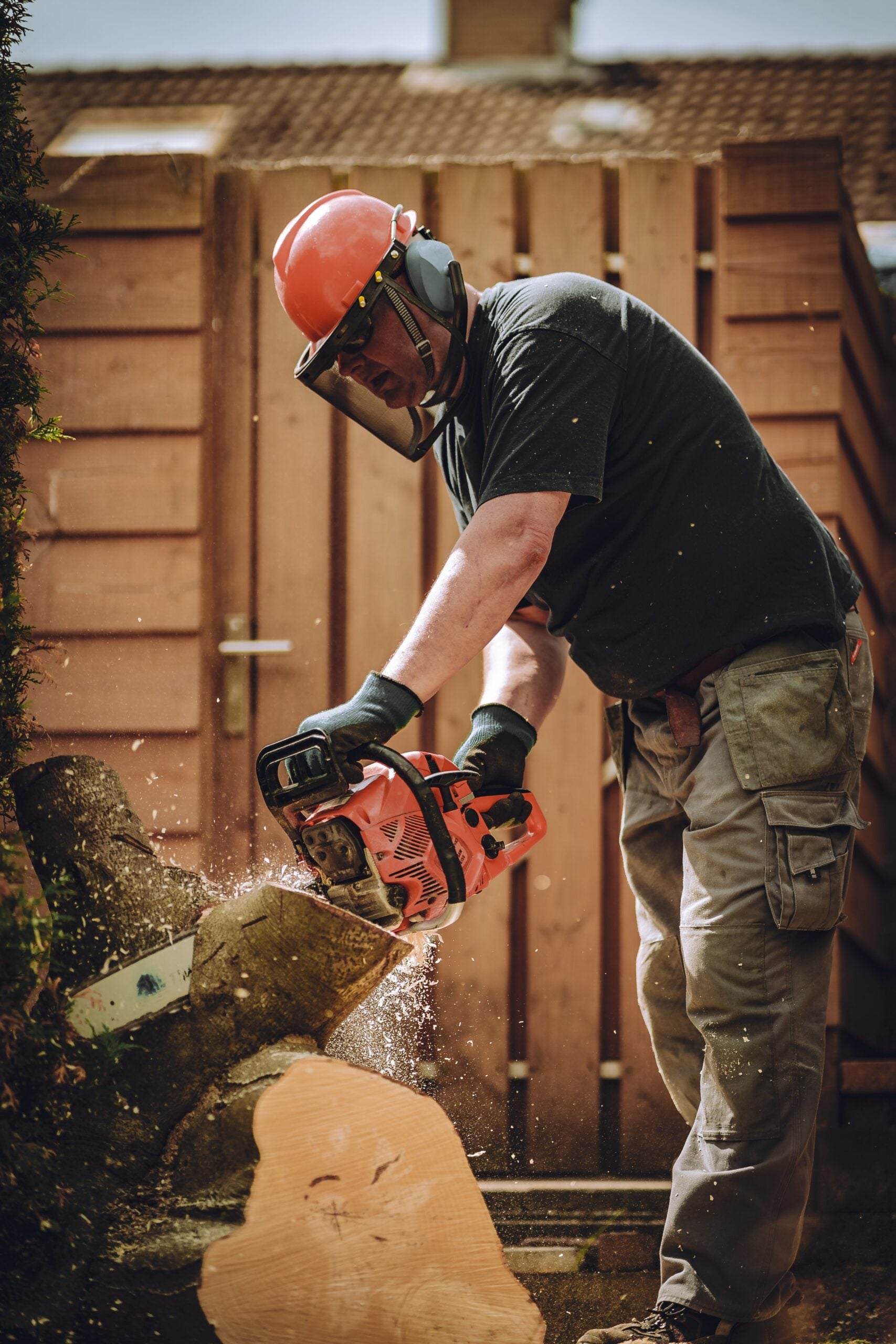
The incident involved a forestry worker who was working alone and unsupervised when he was struck by a tree limb and fell from a nearby cliff. WorkSafe identified several failures, including inadequate verification of the worker’s experience and training, insufficient induction and supervision, and the absence of an adequate check-in and check-out procedure.
WorkSafe has reminded businesses that where employees work alone or remotely, check-in systems need to reflect the level of risk involved. Responsibility for monitoring workers should be clearly assigned, and there must be a process for taking action when expected contact is missed.
The case is an important reminder that simply knowing an employee is working remotely is not enough. Organisations need reliable systems that help identify when something has gone wrong and support a timely response.
For businesses with lone or remote workers, this means reviewing whether current procedures work effectively in practice, including how workers communicate, how their safety is monitored, what happens when a check-in is missed, and how an emergency response is initiated.
At Guardian Angel Safety, we work with organisations across New Zealand and Australia to implement lone and remote worker safety solutions designed around the risks their people face, including monitored devices, automatic alerts, location information and escalation processes.
Read the full WorkSafe update for more information.