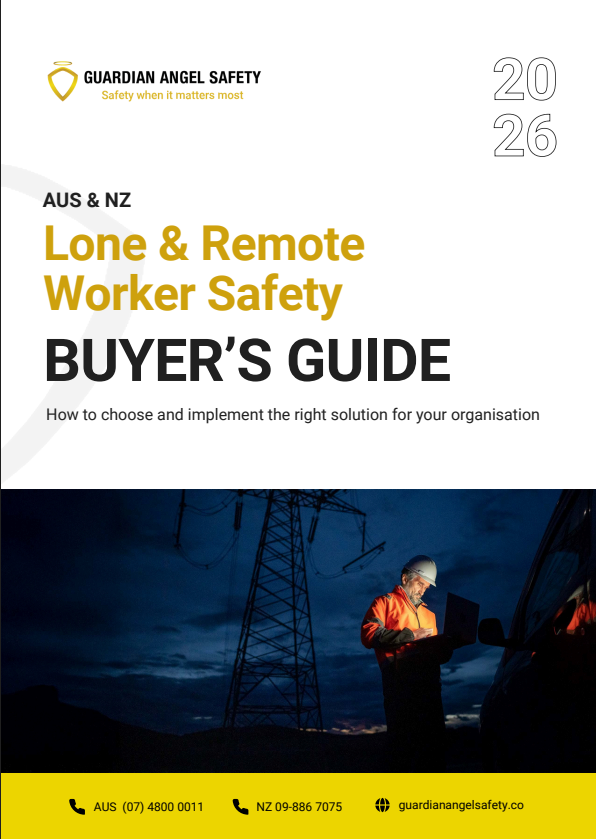
In the rural New Zealand backcountry, a signal drop isn’t just an inconvenience—it’s a life-threatening failure.
When a farmer is injured in a remote paddock, the distance is not the primary risk; the inability to call for help is. Under the Health and Safety at Work Act 2015 (HSWA), this lack of connectivity represents a critical liability for any PCBU.
Failure to protect remote workers is a direct breach of the HSWA 2015
In New Zealand, the HSWA 2015 requires PCBUs to ensure, so far as is reasonably practicable, the health and safety of workers. This mandate requires you to work through the hierarchy of controls to eliminate hazards or implement proportionate, effective measures to protect those working in isolation.
A policy document cannot call for help
We consistently see organisations relying on mobile phone apps or manual “call-in” schedules in areas with zero cellular coverage. Treating emergency beacons like PLBs or EPIRBs as lone worker solutions creates a dangerous gap, as these one-way devices offer no check-in capability and no proactive monitoring to detect a worker who has become unconscious.
Protection requires connectivity that doesn’t rely on a cell tower
Genuine protection for rural NZ farmers combines satellite connectivity with a professional monitoring centre. This means deploying wearable devices that provide No-Motion Alerts and two-way communication, ensuring that if a worker suffers a fall and cannot trigger an SOS, the system still raises the alarm.
Guardian Angel Safety: Turning Policy Into Real Protection
Guardian Angel Safety converts compliance obligations into life-saving infrastructure. With over 12 years of experience across Australia and New Zealand, we provide satellite-connected devices and 24/7 professional monitoring to ensure your workers are never truly alone.
Content prepared by Guardian Angel Safety — lone and remote worker protection across Australia and New Zealand.